
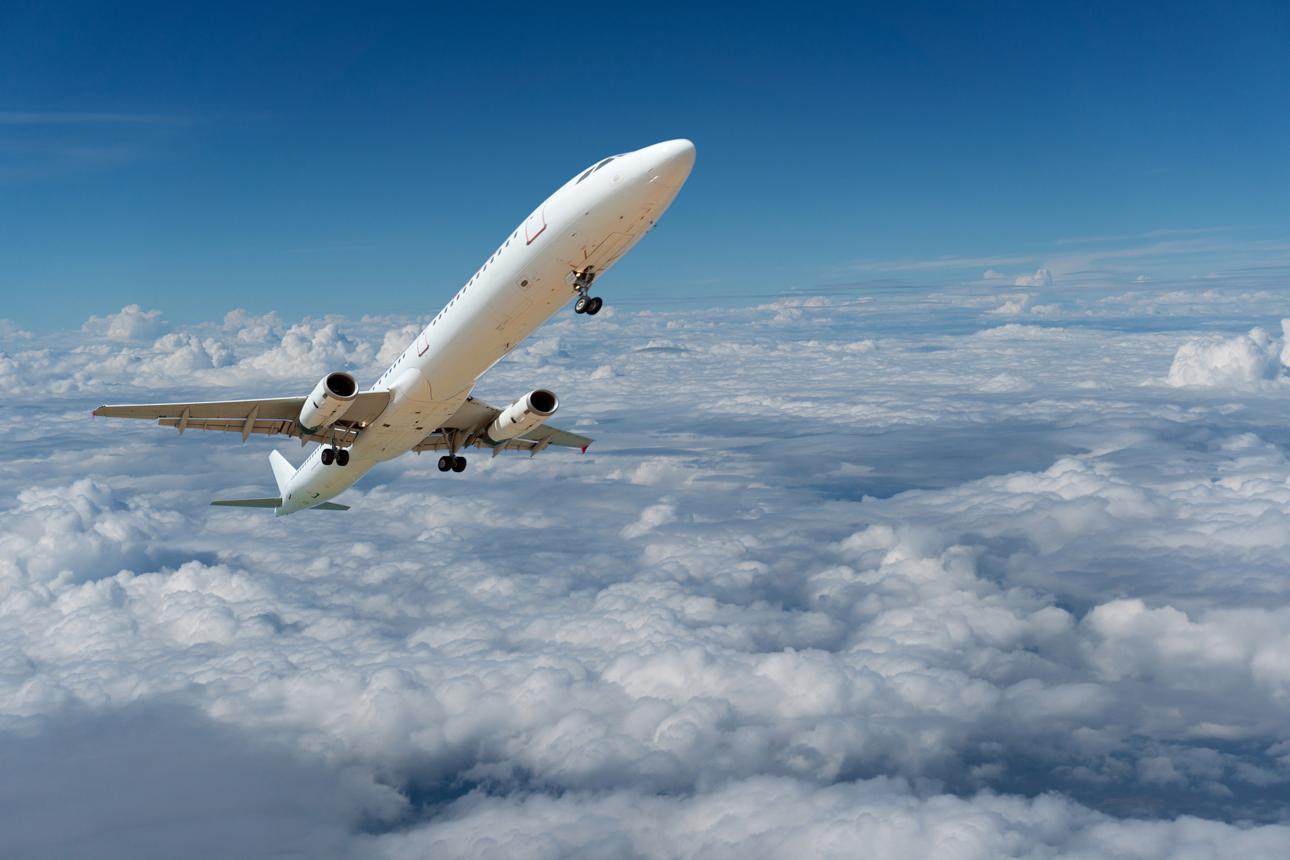
What Really Happens During an Aircraft Stall
What Really Happens During an Aircraft Stall? The Misunderstood Moment That Terrifies Passengers
One Quiet Moment. One Warning. Then the Airplane Suddenly Feels… Different.
Imagine you’re sitting by the window on a routine flight.
The engines are humming. The cabin is calm.
Then, without warning, the aircraft begins to shake.
The nose dips.
For a few terrifying seconds, it feels as though the airplane has stopped flying.
Get the SkypropreAir Free Travel Pack
Plan smarter, choose a better seat and enjoy a more comfortable long-haul journey. Enter your details below to receive the Travel Pack.
Your heart races.
Has the aircraft just fallen out of the sky?
Many passengers would describe that experience as “the plane stalled.”
But here’s the surprising truth:
An aircraft stall has almost nothing to do with the engine stopping.
In fact, an aircraft can stall even while both engines are producing full power.
Understanding what an aircraft stall really is, and how modern pilots recover from one—reveals why commercial aviation remains one of the safest ways to travel.
Related Reading: Why Do Boeing 787 Wings Bend So Much? The Science That Keeps You Safe
The Biggest Myth: A Stall Is Not an Engine Failure
The word stall creates the wrong mental picture.
Unlike a car, an airplane doesn’t stall because its engine stops.
A stall occurs when the wing exceeds its critical angle of attack, causing the smooth airflow over the wing to separate.
Without that smooth airflow, lift decreases rapidly while drag increases.
The engines may still be operating perfectly.
The problem lies with the wing’s aerodynamics, not its propulsion.
✈️ Planning Your Next Flight?
Whether you’re flying across Europe or embarking on a long-haul journey, compare fares from hundreds of airlines to find the best option for your trip.
👉 Compare flight prices with Aviasales before you book.
The Critical Angle That Changes Everything
Many passengers believe aircraft stall happens because they’re flying too slowly.
That isn’t entirely true.
An aircraft stall happens when the wing reaches its critical angle of attack, regardless of the actual airspeed.
Imagine holding your hand outside a moving car.
Tilt it slightly and the airflow remains smooth.
Raise it too high and your hand begins to buffet violently.
Aircraft wings behave exactly the same way.
Can a Modern Airliner Stall at High Speed? Surprisingly, Yes
This surprises many people.
Commercial aircraft can stall at relatively high speeds if the angle of attack becomes excessive.
Possible situations include:
- Severe windshear
- Aggressive maneuvering
- Improper climb techniques
- Certain emergency procedures
- Incorrect recovery from unusual flight attitudes
This is why pilots monitor far more than just speed.
Modern cockpits continuously analyse:
- Angle of attack
- Airspeed
- Aircraft attitude
- Energy state
- Flight envelope protections
Related Reading: Why Power Banks Are Becoming One of Aviation’s Biggest Cabin Safety Risks
Understanding airspeed measurement makes it much easier to understand why pilots rely on multiple instruments instead of speed alone.
What Passengers Actually Feel During a Stall
A true aircraft stall is extremely rare aboard commercial airliners.
If passengers ever experienced one, they would most likely notice:
- Buffeting or shaking
- Stall warning sounds in the cockpit
- The aircraft lowering its nose
- Temporary changes in G-forces
- A controlled descent
To passengers, this can feel frightening.
To pilots, it’s exactly what should happen.
Lowering the nose restores smooth airflow over the wings.
It is a recovery technique, not a sign that the aircraft has lost control.
The Aircraft Warns Pilots Long Before a Stall Happens
Modern aircraft rarely surprise their crews.
Today’s airliners include multiple layers of protection, including:
- Stick shakers
- Audible stall warnings
- Visual alerts
- Flight envelope protection
- Computer-assisted control systems
These warnings activate well before a dangerous stall develops.
Many fly-by-wire aircraft can even prevent pilots from unintentionally exceeding safe aerodynamic limits.
Related Reading: The Hidden Science Behind Aircraft Oxygen Masks
Discover how another automated safety system quietly protects passengers long before emergencies become critical.
Why Pilots Push the Nose Down Instead of Pulling Up
This is perhaps the most misunderstood part of stall recovery.
Human instinct says:
“We’re falling, pull up!”
Pilot training teaches exactly the opposite.
To recover from an aircraft stall, pilots must reduce the angle of attack.
That means lowering the nose.
Only then can smooth airflow return over the wings.
Once lift is restored, power is adjusted and the aircraft climbs away safely.
Every airline pilot practises this repeatedly in sophisticated flight simulators.
Recovering from an aircraft stall is a core skill that every airline pilot practises repeatedly in simulator training.
Can Engines Prevent a Stall?
Power certainly helps.
But thrust alone cannot overcome stalled wings.
If airflow has already separated from the wing, restoring lift comes first.
Only then can engine power be fully effective.
This is why aerodynamics, not engine thrust, is the first priority during recovery.
How Modern Aircraft Are Designed to Resist Stalls
Aircraft manufacturers spend years refining wing designs to ensure predictable stall behaviour.
Modern aircraft benefit from:
- Wind tunnel testing
- Computational fluid dynamics
- Extensive certification flights
- Stall strips
- Fly-by-wire protections
- Flight envelope limitations
Commercial airliners are intentionally designed so the wing root stalls before the wingtip.
That allows pilots to maintain roll control throughout recovery.
🌍 Travel With Peace of Mind
Unexpected travel disruptions can happen even though aviation is remarkably safe.
Travel insurance can provide valuable protection against medical emergencies, cancellations, baggage delays, and other unexpected events.
👉 See whether SafetyWing travel insurance suits your next trip.
The Lessons Aviation Learned
Several major accidents involving aerodynamic stalls reshaped pilot training forever.
Today’s crews receive regular simulator sessions covering:
- High-altitude stalls
- Low-altitude stalls
- Upset recovery
- Manual flying
- Automation failures
- Energy management
The emphasis is simple:
Recognise the warning signs early.
Recover before the stall fully develops.
Related Reading: Future Airplanes Could End Turbulence as We Know It
Aviation safety is built on layers of prevention—and passengers play an important role too.
Can Turbulence Cause a Stall?
Severe turbulence can momentarily change an aircraft’s angle of attack.
However, commercial airliners are engineered with generous safety margins.
Pilots also reduce speed before entering significant turbulence, giving the aircraft additional aerodynamic protection.
Although turbulence may feel dramatic inside the cabin, it rarely places a modern airliner anywhere close to an aerodynamic stall.
The Future of Stall Prevention
Aircraft continue becoming smarter.
Future technologies may include:
- AI-assisted flight monitoring
- Enhanced angle-of-attack sensors
- Predictive cockpit alerts
- Improved simulator training
- Advanced flight envelope protection
Each new generation of aircraft builds upon decades of engineering and operational experience.
Final Thoughts
The word stall sounds frightening because it suggests complete failure.
In reality, it is simply an aerodynamic condition.
Commercial pilots train extensively to recognise and recover from stalls.
Modern aircraft are equipped with sophisticated warning systems.
Manufacturers design airliners to remain controllable even in extreme situations.
The result is a multi-layered safety system that makes unrecovered stalls exceptionally rare.
Understanding the science removes much of the fear.
Knowledge doesn’t just make flying more interesting.
It makes every journey a little less intimidating.
Understanding an aircraft stall helps passengers appreciate why modern commercial aviation remains one of the safest forms of transport.
Frequently Asked Questions
Can an aircraft stall with both engines running?
Yes. A stall occurs because the wing exceeds its critical angle of attack—not because the engines stop producing thrust.
Have commercial airliners become better at preventing stalls?
Absolutely. Modern aircraft combine advanced warning systems, flight computers, and extensive pilot training to make aerodynamic stalls extremely rare.
Should passengers worry about stalls during normal flights?
No. Commercial aviation includes multiple layers of protection, making stall-related accidents exceptionally uncommon.