
What Are MANPADS? How Airlines Protect Passengers From Missile Threats
What Are MANPADS? How Airlines Protect Passengers
Many travellers wonder what are MANPADS and whether they pose a risk to commercial flights.
So what are MANPADS? MANPADS are man-portable air defence systems.
Understanding what are MANPADS helps explain why airlines invest heavily in security and risk assessment.
A Delta Air Lines security scare reveals the invisible safety system working behind every commercial flight.
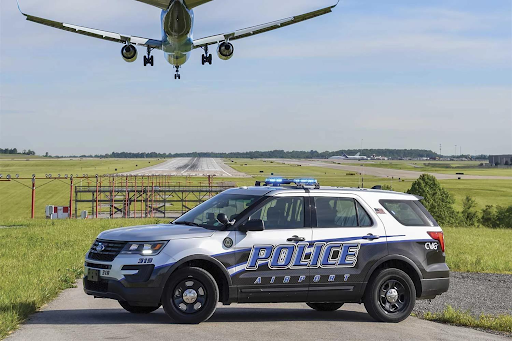
A Delta Air Lines flight carrying 182 passengers was on final approach to New York’s LaGuardia Airport when air traffic controllers issued an urgent warning. Authorities had received a report of a possible missile threat near the airport. For a few tense moments, the crew prepared for the possibility that the threat could be real.
Get the SkypropreAir Free Travel Pack
Plan smarter, choose a better seat and enjoy a more comfortable long-haul journey. Enter your details below to receive the Travel Pack.
Fortunately, investigators quickly determined the report was not credible. The aircraft landed safely, passengers remained unaware of the situation, and airport operations returned to normal.
While this particular incident ended harmlessly, it raises a fascinating question that many travelers have never considered:
✈️ Planning your next journey? Compare flight prices and routes with your preferred flight booking partner Aviasales before you travel.
What actually happens when an airliner faces a potential security threat?
The answer reveals one of aviation’s most sophisticated and least visible safety systems.
Every Threat Is Treated as Real—Until Proven Otherwise
Commercial aviation operates on a simple principle:
Never ignore a potential threat.
Even anonymous phone calls, suspicious reports, or unverified intelligence are handled with complete seriousness until authorities determine otherwise.
This cautious approach has helped make commercial aviation one of the safest forms of transportation in the world.
In the Delta incident, controllers immediately informed the flight crew while airport police investigated the report. That rapid coordination is exactly how international aviation security is designed to work.
Read next: How Aircraft Black Boxes Help Investigators Solve Aviation Mysteries
What are MANPADS?
MANPADS stands for Man-Portable Air Defense System.
If you are wondering what are MANPADS, they are shoulder-fired surface-to-air missile systems designed to target low-flying aircraft
They are relatively small compared to military missile systems but can still pose a danger during:
- Take-off
- Initial climb
- Final approach
- Landing
These phases are when aircraft fly at lower altitudes and slower speeds.
Fortunately, such attacks against commercial airliners are extremely rare.
Why Are Airports Prepared for This Type of Threat?
Airports constantly receive information from numerous agencies, including:
- Air traffic control
- Airport police
- National intelligence agencies
- Local law enforcement
- Aviation security authorities
Understanding what are MANPADS helps explain why airports invest heavily in intelligence sharing and layered security.
If any report suggests a possible threat, information is shared immediately.
No single organization works alone.
Instead, aviation relies on multiple layers of protection that continuously monitor potential risks.
What Happens Inside the Cockpit?
When pilots receive a security warning, they remain remarkably calm.
Rather than reacting emotionally, they follow detailed operating procedures developed through years of training.
Depending on the circumstances, pilots may:
- Continue the approach
- Enter a holding pattern
- Divert to another airport
- Request additional information
- Coordinate continuously with air traffic control
Every decision balances safety, fuel, weather, traffic, and the credibility of the reported threat.
Passengers often notice nothing unusual.
🛡️ Travel with confidence. Comprehensive travel insurance with SafetyWings can provide peace of mind for delays, cancellations, and unexpected events during your trip.
Why Aren’t Passengers Told Immediately?
Many people assume airlines should announce every potential danger.
In reality, doing so can create unnecessary panic during situations that may later prove harmless.
Instead, pilots focus on flying the aircraft safely while authorities verify the information.
If passengers need to know something that affects their safety, they will be informed.
Otherwise, many precautionary situations remain invisible to everyone on board.
Even when the concern involves what are MANPADS, crews avoid alarming passengers until authorities verify the information.
This quiet professionalism is one reason commercial aviation operates so safely.
The Invisible Team Protecting Every Flight
Whenever an aircraft encounters a possible security issue, dozens of professionals immediately begin working together.
These include:
- Air traffic controllers
- Airline operations centres
- Airport police
- Emergency responders
- Security specialists
- Intelligence agencies
- Flight dispatchers
While passengers may only see pilots and cabin crew, an entire network is constantly supporting every flight from the ground.
You may also enjoy: Why Do Airplanes Shake During Turbulence?
Lessons From Past Aviation Incidents
Although commercial airline missile attacks are exceptionally uncommon, several historic events changed global aviation security forever.
One notable example occurred in 2003, when a DHL cargo aircraft departing Baghdad was struck by a missile. Despite losing hydraulic control, the crew managed to land safely using engine thrust alone—an extraordinary display of skill that led to further improvements in aircraft survivability and crew training.
Another tragic event was Malaysia Airlines Flight MH17 in 2014, which was shot down while flying over eastern Ukraine. The disaster prompted airlines and aviation authorities worldwide to strengthen risk assessments for flights over conflict zones.
These incidents reshaped international aviation security, leading to enhanced intelligence sharing, revised flight planning, and stricter avoidance of dangerous airspace.
How Modern Aviation Reduces the Risk
Today’s airlines use multiple layers of protection.
These include:
Intelligence Sharing
Governments exchange security information with airlines before flights depart.
Airspace Restrictions
Aircraft avoid regions considered unsafe due to military conflict or heightened security concerns.
Continuous Monitoring
Air traffic controllers and security agencies monitor changing situations throughout each flight.
Pilot Training
Flight crews regularly practise responding to security-related emergencies in simulators.
International Cooperation
Organizations around the world work together to improve aviation safety standards and respond quickly to emerging threats.
No single measure guarantees safety, but together they create a robust system that has made commercial flying remarkably secure.
Continue Reading: What Happens During an Aircraft Evacuation at Night?
What the Delta Incident Really Demonstrates
The Delta flight did not become a headline because of danger.
It became a lesson in preparedness.
Authorities investigated the report within minutes.
Controllers communicated effectively.
The crew remained professional.
The passengers arrived safely without ever knowing a potential threat had been reported.
That is exactly how a mature aviation safety system is supposed to work.
Sometimes, the greatest success in aviation is an incident that ends so smoothly passengers never realize anything unusual happened.
🌍 Flying long-haul soon? Explore SkypropreAir’s growing library of expert travel comfort guides to make every flight safer and more enjoyable.
Final Thoughts
The next time you board an aircraft, remember that safety extends far beyond the cockpit.
Behind every flight is an invisible network of controllers, dispatchers, engineers, airport security teams, intelligence agencies, and highly trained pilots working together to protect every passenger from take-off to landing.
The Delta incident serves as a reminder that while potential threats may arise, the aviation industry’s greatest strength lies in its preparation, coordination, and commitment to treating every report with the seriousness it deserves.
Learning what are MANPADS give passengers a better understanding of the extensive safety measures protecting every commercial flight.
For millions of passengers each day, that unseen system is one of the biggest reasons commercial aviation remains one of the safest ways to travel.
Frequently Asked Questions
1. What are MANPADS?
MANPADS are (Man-Portable Air Defense System) shoulder-fired missile designed to target low-flying aircraft, primarily in military settings.
2. Are commercial airliners protected against missile threats?
Commercial aircraft rely mainly on intelligence sharing, secure flight planning, restricted airspace, and coordinated security procedures rather than onboard defensive weapons.
3. Why don’t airlines tell passengers about every security threat?
Because many reports are precautionary or later prove false. Pilots and authorities focus first on ensuring safety and avoiding unnecessary panic.