
Why Economy Class Is Slowly Becoming a Different Experience Entirely
The Seat Has the Same Name. Everything Else Has Changed.
You board the aircraft carrying memories.
Perhaps you remember flying years ago when meals were included, checked baggage rarely cost extra, and every passenger seemed to enjoy roughly the same experience.
Today, you find yourself paying to choose a seat.
Paying for extra legroom.
Paying for Wi-Fi.
Get the SkypropreAir Free Travel Pack
Plan smarter, choose a better seat and enjoy a more comfortable long-haul journey. Enter your details below to receive the Travel Pack.
Sometimes even paying for a carry-on bag.
Yet somehow…
The cabin feels more modern.
The aircraft is quieter.
The entertainment is better.
The flight is safer than ever.
So what happened?
Without many passengers noticing, economy class has quietly evolved into an entirely different product.
It isn’t simply “cheaper.”
It has become smarter, more personalized, and increasingly shaped by technology rather than tradition.
Here’s why the economy cabin of 2026 barely resembles the one many travelers grew up with.
Related Reading: Why Passenger Planes Fly at 35,000 Feet Instead of 10,000
Economy Is No Longer One Product
Years ago, buying an economy ticket meant nearly everyone received the same experience.
Today?
There may be six different economy fares on the exact same aircraft.
Basic Economy.
Economy Light.
Standard Economy.
Flex Economy.
Preferred Seating.
Extra Legroom.
Two passengers sitting side by side may have paid completely different prices and received different benefits.
One boarded early.
One checked a suitcase.
One selected a seat months in advance.
The other received none of those privileges.
Economy has become a menu rather than a single cabin.
The Seat Has Become More Efficient
Many passengers believe seats have become dramatically smaller.
The reality is more nuanced.
Seat width on many aircraft has changed only slightly over the years, but seat pitch—the distance between rows—has been reduced on many airlines to accommodate additional passengers.
Modern seats are also designed differently.
Slimline seatbacks create extra knee room without increasing overall space.
Thinner cushioning reduces weight.
Lighter materials improve fuel efficiency.
What feels less comfortable isn’t always because there is less space.
Often it’s because the seat itself has been redesigned for efficiency.
Related Reading: The Most Dangerous Phase of Every Flight
Airlines Are Selling Choice Instead of Giving Everything Away
One of the biggest shifts has happened quietly.
Airlines stopped including everything in the ticket price.
Instead, passengers now build their own experience.
Need checked luggage?
Add it.
Want priority boarding?
Pay extra.
Prefer an aisle seat?
That’s another fee.
This “unbundled” model allows airlines to advertise lower base fares while letting passengers pay only for what they value.
For budget-conscious travelers, this can reduce costs.
For others, the final bill can exceed what traditional economy once included.
Compare Flight Prices Before Booking
Many travelers pay more than necessary simply because they don’t compare fares across multiple airlines.
Compare hundreds of airlines and discover better deals with Aviasales before you book your next trip.
- Affiliate Recommendation: Search for the best fares with Aviasales.
Technology Has Quietly Improved the Journey
While some comforts disappeared, technology transformed others.
Today’s economy passengers often enjoy:
-
High-speed Wi-Fi
-
USB charging ports
-
Bluetooth audio on newer aircraft
-
Larger entertainment screens
-
Better cabin lighting
-
Quieter engines
-
Improved air filtration
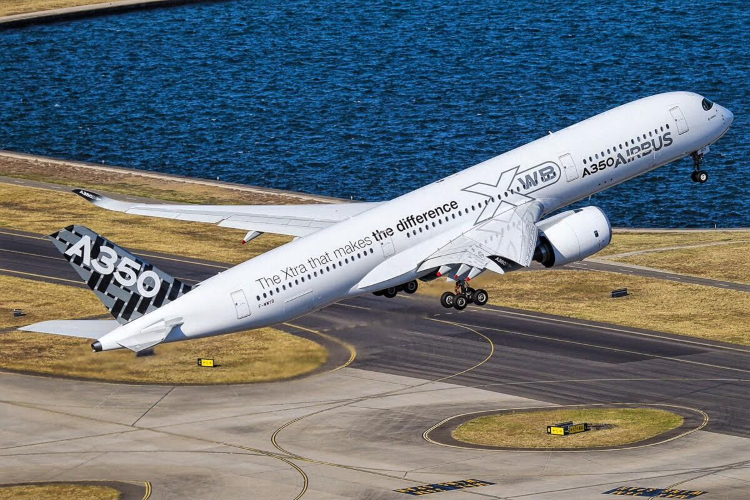
Aircraft like the Airbus A350 and Boeing 787 Dreamliner have made economy noticeably more pleasant thanks to lower cabin altitude, higher humidity, and reduced engine noise.
Many passengers arrive feeling less fatigued than they would have on older aircraft.
Related Reading: The Hidden Science Behind Aircraft Oxygen Masks
Premium Economy Changed Everything
Perhaps the biggest disruption wasn’t inside economy.
It appeared above it.
Premium Economy.
Before its introduction, travelers faced a huge jump between economy and business class.
Today there is a middle option offering:
-
More legroom
-
Wider seats
-
Better meals
-
Larger entertainment screens
-
Increased baggage allowance
-
Greater seat recline
Its success has also changed standard economy.
Many airlines redesigned their cabins to make room for Premium Economy, sometimes reducing the number of traditional economy seats.
As a result, economy has become more clearly positioned as the value option.
Passengers Now Expect More Than Ever
Ironically, expectations have risen even as ticket prices have become more competitive.
Travelers now expect:
-
Fast internet
-
Device charging
-
Streaming entertainment
-
Healthy food options
-
Real-time flight updates
-
Mobile boarding passes
-
Digital baggage tracking
Twenty years ago, these features would have seemed futuristic.
Today, many passengers complain when they are absent.
Technology has permanently changed what people consider a “normal” flight.
Airlines Know You Better Than You Think
Behind every booking is an enormous amount of data.
Airlines analyze:
-
Previous bookings
-
Seating preferences
-
Meal choices
-
Loyalty history
-
Connecting flights
-
Spending patterns
This helps airlines personalize offers before and after booking.
You may receive upgrade offers, discounted baggage, lounge access, or seat promotions tailored specifically to your travel habits.
The economy experience is becoming increasingly individualized.
Environmental Pressure Is Reshaping Economy
Climate concerns are also influencing cabin design.
Manufacturers are reducing aircraft weight wherever possible.
Seats are lighter.
Cabin materials are lighter.
Food carts are lighter.
Every kilogram removed saves fuel over thousands of flights.
Some airlines are replacing paper manuals with tablets.
Others use lighter catering equipment.
Many of these changes are almost invisible to passengers but collectively reduce emissions and operating costs.
Related Reading: Why the Airbus A380 Remains a Passenger Favorite
Cabin Comfort Is Becoming More Scientific
Aircraft manufacturers now study passenger wellbeing in remarkable detail.
Lighting changes gradually to reduce jet lag.
Cabin humidity has improved on newer aircraft.
Air pressure is better controlled.
Noise insulation continues to improve.
Even lavatory placement, galley design, and airflow are carefully engineered to make long-haul economy more comfortable than previous generations.
Flying still causes fatigue, but modern aircraft help reduce some of its effects.
Don’t Forget Travel Insurance
Flight delays, cancellations, medical emergencies, and lost baggage can happen on any journey.
Protect every trip with SafetyWing travel insurance before you fly.
- Affiliate Recommendation: Get a quote from SafetyWing in just a few minutes.
Artificial Intelligence Is Entering the Cabin
AI is beginning to influence the passenger experience in subtle ways.
In the coming years, it may help airlines:
-
Predict catering demand more accurately
-
Personalize entertainment recommendations
-
Optimize boarding processes
-
Improve baggage handling
-
Forecast maintenance needs before problems occur
-
Reduce delays through smarter scheduling
Passengers may never notice AI directly, but they will experience its benefits through smoother journeys.
The Future Economy Cabin May Surprise Everyone
The next decade could transform economy even further.
Expect to see:
-
Larger personal device integration
-
Faster satellite internet
-
Smarter lighting systems
-
Touchless cabin technology
-
More sustainable materials
-
Personalized digital services
-
Improved ergonomic seating
-
AI-assisted customer service throughout the journey
Some manufacturers are even exploring adaptive seating concepts and new cabin layouts that could improve comfort without sacrificing capacity.
Economy Isn’t Worse—It’s Different
Many travelers focus on what has been lost.
Free meals.
Generous baggage allowances.
Spacious seating.
But they often overlook what has been gained.
Safer aircraft.
Cleaner cabin air.
More reliable engines.
Better entertainment.
Quieter cabins.
Continuous connectivity.
Greater travel choice.
Modern economy class reflects a broader shift in aviation: balancing affordability, efficiency, technology, and personalization.
It may not always feel more luxurious, but it is undeniably more sophisticated.
The next time you fasten your seatbelt, remember this:
You’re not simply flying in economy.
You’re experiencing one of the most technologically advanced and carefully optimized environments ever created for mass transportation.
And the transformation is only just beginning.
Frequently Asked Questions
1. Why do economy seats feel smaller today?
In many cases, seat pitch has been reduced to fit more passengers, while slimline seat designs prioritize efficiency. Actual seat width has often changed less dramatically than many people assume.
2. Why do airlines charge separately for bags and seat selection?
Most airlines now use an unbundled pricing model that lets passengers pay only for the services they want while keeping the advertised ticket price lower.
3. Will economy class become more comfortable in the future?
New aircraft, AI-powered services, improved cabin designs, and sustainable technologies are expected to make economy travel progressively more comfortable over the coming decade.
Join the Conversation
When was the last time you flew in economy class, and do you think today’s experience is genuinely better than it was 10 or 20 years ago—or have airlines simply become better at charging for what used to be included? Share your thoughts in the comments below. We’d love to hear your experience.
Continue Exploring SkypropreAir
-
What Happens During an Aircraft Evacuation at Night?
-
Why Flight Attendants Sit on Their Hands During Takeoff
-
The Boarding Process Is More Psychological Than Most Travelers Realise