
The Hidden Science Behind Aircraft Oxygen Masks
One Quiet Flight. One Sudden Drop. One Decision That Could Save Your Life.
The cabin is peaceful.
People are watching movies.
Some are sleeping.
A baby cries softly a few rows away.
Then, without warning—
Get the SkypropreAir Free Travel Pack
Plan smarter, choose a better seat and enjoy a more comfortable long-haul journey. Enter your details below to receive the Travel Pack.
The aircraft jolts.
The seatbelt sign flashes.
A loud chime echoes through the cabin.
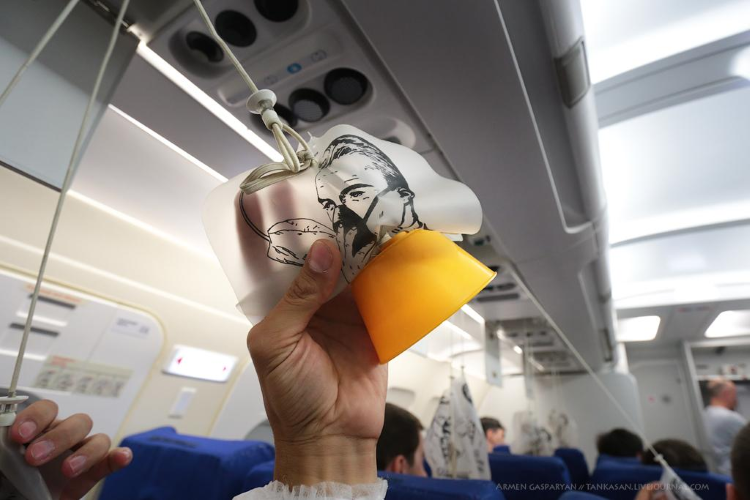
Within seconds, dozens of yellow oxygen masks fall from the ceiling.
For a split second, panic spreads faster than the masks themselves.
Should you wait?
Help your child first?
Is the aircraft crashing?
Or is something else happening high above the clouds?
Those few seconds determine whether your brain continues receiving the oxygen it desperately needs—or begins shutting down without you even realizing it.
The remarkable truth is that aircraft oxygen masks represent one of the most ingenious pieces of emergency engineering ever installed on a commercial airliner.
Most passengers never think about them.
Until the day they might need them.
Related Reading: Before discovering how oxygen masks work, read Why Passenger Planes Fly at 35,000 Feet Instead of 10,000 to understand why commercial aircraft cruise at such extreme altitudes.
The Invisible Danger at 35,000 Feet
Commercial aircraft cruise between 35,000 and 41,000 feet.
Outside the aircraft, the atmosphere is incredibly thin.
Although oxygen still makes up about 21% of the air, the air pressure is so low that your lungs cannot absorb enough oxygen to sustain normal brain function.
Without a pressurized cabin, most people would lose consciousness within seconds.
Fortunately, modern aircraft maintain cabin pressure equivalent to roughly 6,000–8,000 feet above sea level, allowing passengers to breathe comfortably throughout the flight.
But if cabin pressure is suddenly lost—a situation known as rapid decompression or slow decompression—the body immediately begins experiencing oxygen deprivation.
This is where oxygen masks become lifesavers.
Travel Smarter: Whether you’re flying across Europe or around the world, compare fares from hundreds of airlines with Aviasales to find the best flight deals before you book.
Why You May Not Realize You’re Running Out of Oxygen
One of the greatest dangers of hypoxia is that victims rarely recognize it.
Instead of feeling alarmed, many people experience:
-
Unusual calmness
-
Euphoria
-
Confusion
-
Slower thinking
-
Poor judgment
-
Blurred vision
-
Drowsiness
Ironically, your brain loses the very ability needed to realize something is wrong.
Pilots train extensively to recognize these symptoms because they can become incapacitated before noticing the danger.
Passengers have far less warning.
That is why oxygen masks deploy automatically.
They remove hesitation from the equation.
The Critical Window Called “Time of Useful Consciousness”
Aviation medicine uses a term known as Time of Useful Consciousness (TUC).
This refers to the amount of time a person can continue functioning effectively after oxygen becomes insufficient.
At typical cruising altitude:
-
Around 35,000 feet: roughly 30–60 seconds
-
Around 40,000 feet: 15–20 seconds
-
Around 45,000 feet: sometimes less than 10 seconds
These numbers explain why cabin crews repeatedly emphasize putting your own mask on first.
Every second matters.
You may also like: Read The Most Dangerous Phase of Every Flight to discover the moments when pilots are working hardest to keep every passenger safe.
Why You Must Put Your Own Mask On Before Helping Others
Many parents instinctively reach for their child first.
It feels like the natural thing to do.
But aviation safety teaches the opposite.
If you lose consciousness while trying to assist someone else, neither of you receives oxygen.
By securing your own mask first, you remain alert long enough to help children, elderly passengers, or anyone needing assistance.
This advice isn’t selfish.
It’s lifesaving.
Related: Ever wondered why cabin crew sit in a very specific position during takeoff? Read Why Flight Attendants Sit on Their Hands During Takeoff to uncover another fascinating aviation safety procedure.
The Amazing Chemistry Hidden Inside Every Oxygen Generator
One of aviation’s biggest surprises is that passenger oxygen systems don’t rely on large oxygen tanks.
Instead, many commercial aircraft use chemical oxygen generators.
When you pull the mask sharply toward you:
-
A firing pin activates.
-
A chemical reaction begins.
-
Compounds inside the generator release oxygen.
-
Heat is produced as part of the process.
-
Oxygen flows through tubes to the masks.
The system produces oxygen continuously for approximately 12 to 22 minutes, depending on the aircraft and certification requirements.
That is usually enough time for pilots to descend to an altitude where everyone can breathe naturally again.
Protect Every Journey: Flight disruptions and medical emergencies can happen without warning. SafetyWing Travel Insurance helps protect travelers wherever their adventures take them.
Why Oxygen Masks Sometimes Feel Warm
Passengers occasionally notice warm air or even detect a slight odor.
This is completely expected.
Chemical oxygen generation produces heat.
In fact, the oxygen generator can become extremely hot during operation.
That warmth is simply evidence that the chemical reaction is doing exactly what it was designed to do.
Why the Oxygen Bag Doesn’t Inflate
One of aviation’s greatest misconceptions involves the reservoir bag attached to many oxygen masks.
Passengers expect it to inflate like a balloon.
Often, it barely expands.
Some mistakenly believe the mask isn’t working.
In reality, oxygen flows continuously into the bag while you breathe.
Much of the oxygen enters your lungs immediately, so the bag may only inflate slightly—or collapse during inhalation.
A flat-looking bag does not mean the system has failed.
If the mask is secured properly and you’re breathing normally, oxygen is still reaching you.
What Pilots Are Doing While You’re Wearing the Mask
As passengers secure their masks, the pilots are executing highly rehearsed emergency procedures.
Their priorities include:
-
Donning quick-fit oxygen masks.
-
Establishing emergency communications.
-
Confirming cabin pressure loss.
-
Initiating an emergency descent.
-
Coordinating with air traffic control.
-
Diverting to a suitable airport if necessary.
Modern aircraft are designed so crews can respond within moments of detecting a decompression event.
Training ensures these actions become almost automatic.
Continue Reading: Find out what happens if an emergency continues after landing in What Happens During an Aircraft Evacuation at Night?
Why Aircraft Descend So Quickly
If you’ve ever seen videos of emergency descents, they can appear dramatic.
The aircraft banks.
Engines adjust.
The descent rate increases significantly.
This is intentional.
The objective is simple:
Reach breathable air as quickly as possible.
Pilots typically descend to around 10,000 feet or another safe altitude where supplemental oxygen is no longer required for most passengers.
Once the aircraft reaches that level, the immediate danger from oxygen deprivation has passed.
How Often Do Oxygen Masks Actually Deploy?
Despite dramatic media coverage, cabin decompression events are extremely rare.
Commercial aviation is one of the safest forms of transportation ever created.
Aircraft are built with multiple layers of redundancy.
Pressure systems are continuously monitored.
Cabin crews undergo regular emergency drills.
Pilots repeatedly practice decompression scenarios in advanced simulators.
When oxygen masks deploy, it is usually because the safety systems have detected a cabin pressure issue—not because the aircraft is about to crash.
In many cases, passengers land safely after a precautionary diversion.
Planning your next flight? Search thousands of routes with Aviasales and compare prices across airlines to find the best value for your next adventure.
What You Should Do If the Masks Ever Drop
If you ever experience an oxygen mask deployment:
-
Stay calm.
-
Pull the mask firmly toward you.
-
Place it securely over your nose and mouth.
-
Breathe normally.
-
Fasten the elastic strap.
-
Assist others only after your own mask is secure.
-
Listen carefully to cabin crew instructions.
These simple actions maximize your ability to think clearly during an emergency.
The Quiet Hero Above Every Passenger Seat
Most passengers barely notice the panel above them during boarding.
It blends into the cabin ceiling.
Yet hidden behind it is a sophisticated emergency system designed to preserve life during one of aviation’s most challenging situations.
From the chemistry inside the oxygen generator to the engineering behind automatic deployment, every component has been tested to perform under immense pressure.
It is a reminder that commercial aviation is built not only for comfort, but for resilience.
The next time you settle into your seat and glance upward, you’ll know that those small yellow masks are far more than emergency equipment.
They are the product of decades of scientific research, engineering precision, and lessons learned from aviation history—quietly waiting, hopefully never needed, but always ready.
More Aviation Science: If you enjoyed this article, you’ll also love What Sunrise Looks Like From a Cockpit at 39,000 Feet and Why the Airbus A380 Remains a Passenger Favorite.
Conclusion
Aircraft oxygen masks are among the least appreciated safety systems on board, yet they exist for one purpose: to buy precious time when every breath counts.
Understanding how they work transforms fear into confidence.
Instead of seeing them as symbols of danger, passengers can view them as evidence of the remarkable planning and technology that make modern air travel extraordinarily safe.
The hidden science behind those masks is a testament to aviation’s commitment to protecting every person on board, even in the most unexpected moments.
Frequently Asked Questions
1. How long do aircraft oxygen masks provide oxygen?
Most passenger oxygen systems provide oxygen for approximately 12–22 minutes, giving pilots enough time to descend to a breathable altitude.
2. Why do I have to put my own oxygen mask on first?
Because oxygen deprivation can cause unconsciousness within seconds. Securing your own mask first ensures you remain capable of helping others.
3. Why doesn’t the oxygen bag inflate fully?
The reservoir bag often remains partially collapsed because oxygen is flowing continuously and is inhaled almost immediately. This is normal and does not indicate a malfunction.
 Join the Conversation
 Join the Conversation
If the oxygen masks suddenly dropped during your next flight, do you think you would remember to put your own mask on first before helping someone else—or would instinct take over?
Share your thoughts in the comments below. Your answer might help another traveler be better prepared for an emergency.