
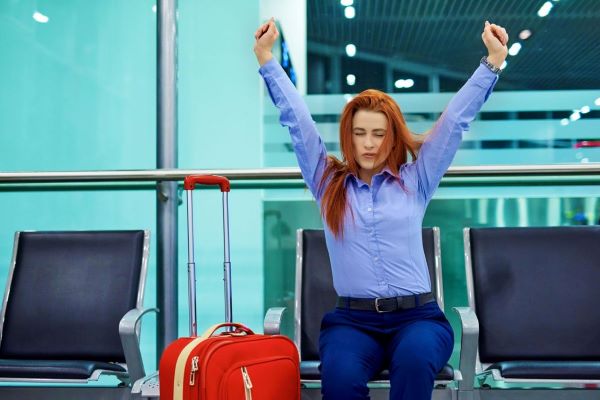
The Exhausting Side of Flying Nobody Talks About Enough — And Why So Many Travelers Feel Emotionally Drained After Landing
You finally land in a beautiful new city. The vacation should feel exciting. The business trip should feel productive. But instead, you feel strangely empty.
Not sick.
Not exactly sleepy.
Just… drained.
Your patience disappears faster. Small conversations feel heavier. Even after sitting for hours, your body somehow feels exhausted. And for many frequent travelers, this feeling has quietly become one of the most overlooked parts of modern flying.
The truth is, the most exhausting part of air travel is not always jet lag.
It’s the invisible mental fatigue modern flying creates long before passengers even leave the airport.
Get the SkypropreAir Free Travel Pack
Plan smarter, choose a better seat and enjoy a more comfortable long-haul journey. Enter your details below to receive the Travel Pack.
Flying Has Become Mentally Exhausting — Not Just Physically Tiring
Most travelers expect sore backs, dry skin, or sleep disruption after a flight. What fewer people talk about is the emotional exhaustion flying creates.
Modern airports force passengers into hours of:
-
Constant waiting
-
Noise exposure
-
Crowded environments
-
Security stress
-
Time pressure
-
Sensory overload
-
Loss of personal control
By the time boarding begins, many travelers are already mentally depleted.
This is one reason articles like “The Quiet Mental Fatigue Frequent Flyers Know Too Well” and “The Real Reason Boarding Feels So Stressful” continue resonating so strongly with SkypropreAir readers.
The modern flying experience is increasingly becoming an endurance test for the brain.
The Airport Experience Quietly Drains Energy
Many passengers assume the exhaustion starts in the air.
In reality, it often starts in the terminal.
Think about how airports operate:
-
Artificial lighting
-
Endless announcements
-
Fear of delays
-
Queue anxiety
-
Crowded gate areas
-
Constant vigilance around passports and luggage
Your nervous system rarely gets a chance to relax.
Frequent flyers often describe airports as environments where the brain remains in a low-level “alert mode” for hours at a time.
That mental load accumulates quietly.
Why Airplane Cabins Leave People Feeling “Foggy”
Once onboard, the body faces an entirely different problem.
Aircraft cabins are designed primarily around efficiency and operational constraints — not passenger recovery.
That means travelers are exposed to:
-
Dry cabin air
-
Limited movement
-
Reduced oxygen pressure
-
Constant engine noise
-
Artificial sleep cycles
-
Tight personal space
This helps explain why some passengers land feeling mentally foggy, emotionally numb, or unusually irritable.
It also connects closely with growing passenger conversations around:
The issue is no longer just comfort.
It’s cumulative exhaustion.
Frequent Flyers Often Stop Romanticizing Travel
One of the biggest misconceptions about frequent travelers is that they “get used to flying.”
In reality, many simply become better at managing exhaustion.
Experienced travelers often:
-
Avoid chaotic boarding zones
-
Prioritize hydration aggressively
-
Protect sleep schedules carefully
-
Choose flights based on recovery time
-
Select quieter seat zones strategically
That’s also why many seasoned travelers no longer rush to board first — something explored in SkypropreAir’s recent piece on “Why Frequent Flyers Never Rush to Board First.”
For them, travel becomes less about excitement and more about energy preservation.
The Emotional Fatigue Nobody Talks About
Perhaps the most overlooked part of flying is the emotional effect.
Air travel places strangers into confined, stressful environments with limited privacy and little control. Small disruptions suddenly feel emotionally bigger:
-
Crying babies
-
Seat recline conflicts
-
Delays
-
Turbulence
-
Crowded aisles
-
Unpredictable passengers
Over time, this creates a quiet emotional fatigue many travelers struggle to describe.
And because society still frames flying as glamorous or exciting, people rarely talk openly about how mentally draining modern travel has become.
Why This Matters More in 2026
Passenger expectations are changing.
Travelers are no longer judging flights only by ticket prices or seat pitch. Increasingly, people care about:
-
Mental comfort
-
Stress reduction
-
Sleep quality
-
Sensory overload
-
Emotional wellbeing during travel
This shift is one reason conversations around cabin psychology, AI inside cabins, biometric airline technology, and passenger wellbeing are exploding online.
The future of aviation may not just be faster flights.
It may be less emotionally exhausting ones.
Smart Travelers Are Quietly Adapting
Frequent flyers are increasingly building “recovery habits” into their trips:
-
Walking before boarding
-
Avoiding overstimulating gate areas
-
Wearing noise-canceling headphones
-
Drinking more water before flights
-
Scheduling lighter first days after arrival
-
Choosing seat locations more carefully
Ironically, comfort is no longer viewed as luxury.
For many travelers, comfort has become survival.
Recommended Reading on SkypropreAir
Continue exploring the psychology of modern flying:
Mid-Article Flight Booking
Planning your next trip?
Compare cheaper long-haul fares and more comfortable routing options with Aviasales before booking.
Post-Cabin Fatigue Section
Flying internationally soon?
Many frequent travelers now use SafetyWing for flexible travel medical coverage and trip protection while abroad.
FAQs
Why does flying feel more exhausting now than years ago?
Modern air travel involves more crowding, tighter schedules, greater sensory overload, and higher passenger density, all of which increase mental and physical fatigue.
Why do I feel emotionally numb after long flights?
Extended exposure to stress, noise, disrupted sleep, dehydration, and confined environments can leave passengers mentally depleted after travel.
Why do experienced travelers care so much about seat selection?
Seat location can affect noise exposure, sleep quality, movement access, turbulence perception, and overall stress during flights.