
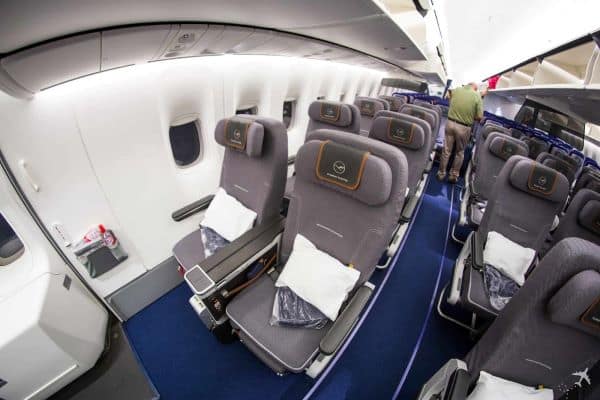
When Is Premium Economy Worth Paying For? (Real-World Guide for Long-Haul Flyers)
Premium economy promises more comfort without business-class prices — but as we’ve explained in Premium Economy vs Economy: What You Actually Pay For, it’s only worth paying extra under specific conditions. Sometimes it’s the smartest upgrade in aviation. Other times, it’s just slightly better economy with a fancy label.
This SkypropreAir guide explains exactly when premium economy is worth the money, when it isn’t, and how to decide quickly before you book.
What You Actually Get With Premium Economy (Not the Marketing)
Compared with standard economy — especially the seats highlighted in Worst Seats to Avoid on Long-Haul Flights — premium economy typically offers:
- Seat pitch: ~37–38 inches (vs ~30–32 in economy)
- Seat width: ~18.5–19.5 inches (vs ~17–18)
- Recline: Deeper recline with better leg support
- Cabin: Smaller, quieter section
- Service: Improved meals, better drinks, priority boarding
This isn’t luxury — it’s fatigue control.
When Premium Economy Is Worth Paying For
1. Long-Haul Flights Over 7 Hours (Especially Overnight)
As we explored in Why Some Long-Haul Flights Feel Much Longer Than Others, fatigue builds exponentially on long flights. Premium economy helps by offering:
- Easier sleep on overnight routes
- Less knee and lower-back strain
- More personal space during long meal services
On red-eye flights, premium economy often means arriving usable instead of exhausted.
2. When the Price Gap Is Sensible (20–40% More Than Economy)
Premium economy makes sense when:
- The upgrade costs €150–€300 extra on long haul
- It’s clearly cheaper than business class
Use Aviasales to compare economy and premium economy fares side-by-side across multiple airlines — pricing gaps can change dramatically by date and carrier. On some routes, premium economy becomes a genuine bargain.
3. If You’re Tall, Broad-Shouldered, or Already Struggle in Economy
If standard economy feels cramped — particularly on aircraft and seat layouts discussed in Worst Seats to Avoid on Long-Haul Flights — premium economy offers:
- Wider seats (less shoulder compression)
- More legroom (no knee-to-seatback contact)
- Fewer disturbances from seat recline in front
For taller travellers, premium economy often beats exit-row economy for overall comfort.
4. When You Want Comfort Without Business-Class Prices
As noted in Premium Economy vs Economy: What You Actually Pay For, premium economy is ideal if:
- Business class feels overpriced
- Lie-flat seats aren’t essential
- You want a calmer, quieter cabin
It’s often the best comfort-per-euro cabin for leisure travellers.
5. When You’re Paying for a Work Trip Yourself
If landing tired affects performance:
- Meetings on arrival
- Long drives after landing
- Back, knee, or circulation issues
Premium economy can be cheaper than losing a full productive day — especially on overnight flights from Europe.
When Premium Economy Is Not Worth It
Premium economy usually isn’t good value when:
- The flight is under 5–6 hours
- The seat is barely different from economy
- Business class is only slightly more expensive
- You sleep easily anywhere
In these cases, applying seat-selection strategies from Worst Seats to Avoid on Long-Haul Flights may deliver better value.
Premium Economy vs Exit-Row Economy
Exit-row seats offer legroom, but often come with:
- Fixed armrests
- No under-seat storage
- Proximity to toilets or galleys
Premium economy wins on:
- Seat width
- Recline
- Quieter cabin
- Better overall experience
For long flights, premium economy is usually the less stressful option.
How to Book Premium Economy Smartly
- Compare multiple airlines using Aviasales — premium economy pricing is not standardised
- Track fare changes; premium economy prices fluctuate more than economy
- Protect higher-value tickets with travel insurance
For long-haul trips, flexible cover like SafetyWing helps protect against delays, missed connections, and medical costs — especially when premium fares are involved.
SkypropreAir Verdict
Premium economy is worth paying for when the comfort upgrade is real and the price gap makes sense. Think of it as buying sleep, energy, and a better arrival — not luxury.
If you fly long haul even once or twice a year, premium economy is often the smartest upgrade in the sky.