
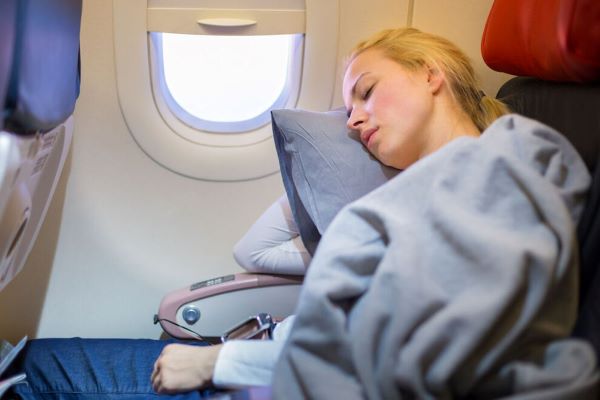
Overnight vs Daytime Flights (Ultimate Guide): Which One Is Actually More Comfortable?
Choosing the right flight time can make a bigger difference than choosing the airline.
Two flights with the same duration can feel completely different depending on whether you fly overnight or during the day.
Frequent long-haul travellers know that:
- Overnight flights save time but are harder on the body
- Daytime flights feel longer but are often more comfortable
- Economy passengers usually prefer daytime
- Business class passengers often prefer overnight
In this SkypropreAir long-haul comfort guide, we explain the real difference between overnight vs daytime flights — based on fatigue science, airline scheduling patterns, and real long-haul experience.
If you are comparing routes, you can check current schedules here:
Search flights with Aviasales before choosing departure time
Travel insurance for long trips is also recommended, especially for overnight flights where fatigue increases risk of illness:
Check SafetyWing travel insurance for long-haul travel
Get the SkypropreAir Free Travel Pack
Plan smarter, choose a better seat and enjoy a more comfortable long-haul journey. Enter your details below to receive the Travel Pack.
What Is an Overnight Flight?
An overnight flight (often called a red-eye) departs in the evening and arrives early the next morning.
Typical schedule:
- Departure: 18:00 – 23:30
- Arrival: 05:00 – 09:00
Common routes:
- Europe → USA eastbound
- USA → Europe eastbound
- West Coast → East Coast
- Asia → Europe
Advantages of overnight flights
 Saves hotel night Arrive earlier in the day Good for business travel Airlines often use modern aircraft Fits airline hub schedules
Disadvantages
✘ Hard to sleep in economy
✘ Higher jet lag risk
✘ Cabin service interrupts sleep
✘ Less total rest than expected
Reality:
Most economy passengers sleep only 2–4 hours on overnight flights.
For aircraft comfort differences, see:
Best aircraft for long flights ranked
Cabin air & pressure guide
Best seats by aircraft type
What Is a Daytime Flight?
A daytime flight departs in the morning or afternoon and arrives later the same day.
Typical schedule:
- Departure: 07:00 – 14:00
- Arrival: 14:00 – 20:00
Common routes:
- Europe → USA westbound
- USA → Europe westbound
- Europe → Middle East
- Domestic widebody flights
Advantages
Easier on body clock Less pressure to sleep More comfortable in economy Lower jet lag risk More natural travel rhythm
Disadvantages
✘ Feels longer
✘ Takes full day
✘ May need hotel after arrival
✘ Not ideal for tight schedules
Reality:
Daytime flights feel longer but usually cause less fatigue overall.
Jet Lag Science: Why Overnight Flights Feel Harder
Jet lag depends on:
- Direction of travel
- Sleep timing
- Light exposure
- Cabin pressure
- Hydration
- Flight duration
Facts frequent flyers notice:
- Eastbound is harder than westbound
- Sleeping at wrong time confuses body clock
- Cabin altitude increases fatigue
- Dehydration worsens jet lag
Overnight flights often force sleep at the wrong time — especially in economy.
For more details see:
How to avoid jet lag on long flights
Why some 10-hour flights feel easy
Europe → USA: Overnight vs Daytime
| Direction | Best Choice | Reason |
| Europe → USA | Daytime | Natural rhythm |
| USA → Europe | Overnight | Arrive morning |
| Eastbound | Overnight common | Airline schedules |
| Westbound | Daytime common | Easier travel |
Example:
Dublin → Boston → Daytime → Easy
Boston → Dublin → Overnight → Harder
Before booking, compare both timings:
Check Aviasales for day vs night departures
Economy vs Business Class: Huge Difference
Economy
Daytime usually better because:
- No need to sleep upright
- Cabin lights stay on
- Less service interruption
- Easier to move
- Less stress
Business class
Overnight becomes better because:
- Lie-flat seats
- Quiet cabin
- Better bedding
- More rest
Best scenario:
Business + overnight = ideal
Economy + overnight = hardest
Economy + daytime = easiest
See also:
Best economy seats ranked
Exit row vs bulkhead guide
Upper deck A380 strategy
Chudi’s Long-Haul Comfort Rule (SkypropreAir Strategy)
Frequent flyers often follow this rule:
- Economy → choose daytime
- Premium economy → either
- Business → choose overnight
- Eastbound → expect jet lag
- Westbound → easier travel
This rule often matters more than airline choice.
When Overnight Flights Are Actually Better
Choose overnight when:
- You have business next day
- You want to save time
- You fly business class
- Flight < 8 hours
- You sleep well on planes
Example:
New York → London → good overnight
Los Angeles → Europe → harder overnight
When Daytime Flights Are Smarter
Choose daytime when:
- Flying economy long-haul
- Travelling with family
- You struggle to sleep onboard
- You want less jet lag
- You prefer relaxed travel
Many experienced travellers now choose daytime westbound whenever possible.
Final Verdict
There is no single best option.
But for most passengers:
- Daytime flights feel easier
- Overnight flights feel faster
- Economy favors daytime
- Business favors overnight
The smartest travellers choose flight timing based on comfort — not just price.
Before booking your next long-haul:
Compare departure times on Aviasales
Get travel insurance with SafetyWing
Check aircraft type before choosing seat
Want to build your complete long-haul flight strategy?
For aircraft choice, seat selection, cabin comfort, flight timing and recovery, read our Long-Haul Master Guide — Complete Strategy for Comfortable Flying.
FAQs
Is overnight or daytime better for long flights?
Daytime flights are usually easier in economy, while overnight flights work better in business class.
Do overnight flights cause more jet lag?
Yes, especially eastbound, because sleep happens at the wrong time.
Why do airlines schedule so many overnight flights?
Overnight flights allow airlines to use aircraft more efficiently and let passengers arrive early in the morning.