
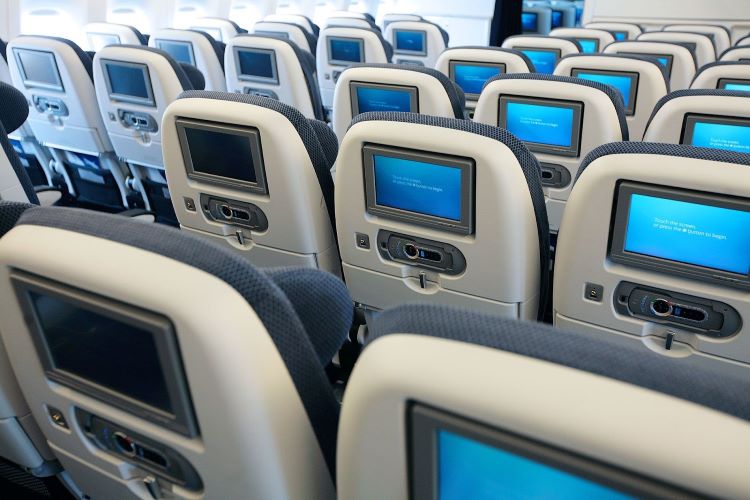
Why Economy Seats Feel Worse in 2026 (It’s Not Just You)
If you’ve taken a flight recently and thought,
“This feels tighter than before…”
You’re not imagining it.
Economy seats in 2026 genuinely feel more uncomfortable — even on the same aircraft you’ve flown before. And the reason isn’t just “less space.”
It’s more subtle than that.
Get the SkypropreAir Free Travel Pack
Plan smarter, choose a better seat and enjoy a more comfortable long-haul journey. Enter your details below to receive the Travel Pack.
The Real Reason Economy Feels Worse Today
Most people assume airlines just reduced legroom.
That’s only part of the story.
What’s actually happening is a combination of small changes that add up to a noticeably worse experience:
1. Slimmer Seats (Less Padding, More Passengers)
Airlines are installing thinner seats to:
-
Reduce weight (fuel savings)
-
Fit more rows
Result: You feel the seat structure more — especially after 2–3 hours.
2. Seat Pitch Hasn’t Changed Much… But Perception Has
Seat pitch (legroom) hasn’t drastically dropped on paper.
But here’s the trick:
-
Thinner seats = knees feel closer
-
Seat backs are harder = less comfort
-
Recline is limited
So even if numbers look the same, your body experiences less space
3. Cabin Density Is Increasing
More seats = more people = less comfort overall.
You’ll notice:
-
Less personal space
-
More competition for armrests
-
More movement in your row
4. Reduced Recline (Quietly Happening)
Some airlines are:
-
Limiting recline
-
Or introducing “pre-reclined” seats
This reduces conflict…
but also reduces your ability to rest.
Chudi’s Seat Strategy
If you want to survive economy in 2026:
- Stop thinking “any seat is fine”
Instead:
-
Prioritise exit rows or bulkhead seats
-
Avoid last rows (limited recline)
-
Check aircraft type before booking
If you haven’t read it yet:
Best Seats for Tall Passengers (Exit Row vs Bulkhead vs Premium Economy)
Not All Aircraft Feel the Same
Here’s something most travellers miss:
Aircraft type matters more than airline sometimes
For example:
-
Some cabins feel tighter even with same seat pitch
-
Others feel more open due to design
Read: Worst Aircraft for Long Flights (Ranked by Comfort 2026)
Why You Feel More Tired Than Before
It’s not just the seat.
Modern cabins also include:
-
Lower humidity
-
Higher passenger density
-
More upright seating positions
Combined effect: You arrive more tired, even on shorter flights
Protect Yourself on Long Flights (Often Overlooked)
Long flights today aren’t just uncomfortable — they’re more unpredictable.
Delays, missed connections, fatigue, and even minor health issues are more common with longer travel times and tighter cabins.
That’s why many frequent travellers now use simple travel medical cover before flying long-haul.
You can quickly check flexible coverage here:
Get travel insurance for long trips → (SafetyWing)
It’s especially useful if you’re:
-
Flying multiple legs
-
Travelling between countries
-
Or planning extended stays
How to Choose a More Comfortable Flight (Without Overpaying)
Before booking your next flight:
Quickly compare your options here:
Search and compare flights based on aircraft & comfort → (Aviasales)
Small differences in aircraft and seating can make a huge difference over 6+ hours.
Is Premium Economy the Only Solution?
Not always.
Premium economy helps, but:
-
It’s not always worth the price
-
Some economy seats (exit row) can be just as comfortable
Related: Is Premium Economy Worth It in 2026? (Honest Breakdown)
The Bottom Line
Economy seats didn’t suddenly become worse overnight.
But airlines have:
-
Optimised space
-
Reduced padding
-
Increased density
And your body feels the difference.
So next time you board and think: “This feels tighter…” You’re absolutely right.
FAQs
Why do airplane seats feel smaller now?
Because of thinner seat design, reduced padding, and increased cabin density — even if seat pitch hasn’t changed much.
Are airlines reducing legroom in 2026?
Not drastically on paper, but design changes make it feel like there’s less space.
What is the most comfortable seat in economy?
Exit row seats usually offer the best legroom, followed by bulkhead seats depending on the aircraft.