
Why Some Passengers Are Worried About AI Inside Airplane Cabins
“It felt like the seat was watching me…”
You adjust your position mid-flight, and somehow the seat adjusts with you. The lighting shifts. The crew already knows what you want before you ask.
For a moment, it feels like the future of flying has arrived.
Then comes the uneasy question:
How much does this plane actually know about me?
That tension—between comfort and control—is exactly why more passengers are starting to feel uneasy about AI inside airplane cabins.
Get the SkypropreAir Free Travel Pack
Plan smarter, choose a better seat and enjoy a more comfortable long-haul journey. Enter your details below to receive the Travel Pack.
The rise of “smart cabins”
Airlines are quietly introducing AI-powered systems designed to improve the passenger experience:
-
Smart seats that respond to posture and movement
-
Cabin sensors that detect stress or discomfort (see our deep dive: “Would You Allow an Airline Seat to Monitor Your Stress Levels?”)
-
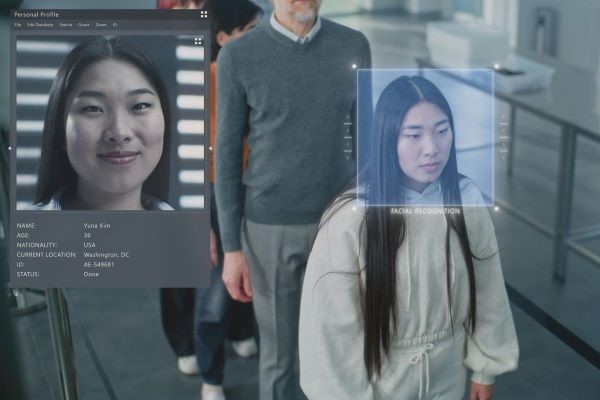
Facial recognition for boarding and identity verification
-
Predictive service systems that anticipate needs
It sounds like an upgrade. But not everyone sees it that way.
Why passengers are pushing back
1. Privacy feels blurred at 35,000 feet
The biggest concern is simple: data.
Passengers are asking:
-
Is my seat tracking my body or behavior?
-
Are cameras analyzing my face or emotions?
-
Where does that data go after the flight?
Unlike choosing an app on your phone, there’s no obvious “accept” or “decline” button onboard. That lack of control makes people uneasy.
This ties closely to broader concerns explored in “How Much Data Should Airlines Be Allowed to Collect About Passengers?”
2. “No one told me this was happening”
AI in cabins often operates silently in the background.
There’s rarely clear communication about:
-
When AI systems are active
-
What they are measuring
-
How they affect your experience
And when people don’t understand a system, they tend not to trust it.
You can explore the bigger picture in “The Debate Over AI-Powered Airline Cabins Is Just Beginning”
3. The fear of being misjudged by machines
Imagine this scenario:
You’re tired, restless, maybe a little anxious mid-flight.
An AI system could interpret that as:
-
Stress
-
Disruptive behavior
-
A “risk” signal
Even if the intention is safety, passengers worry about false interpretations—and how that might influence how crew respond.
This connects with insights from “Why Airplane Cabins Make Some People Feel Anxious”
4. Data security is a real concern
Airlines already hold sensitive passenger data. AI adds another layer—biometric and behavioral data.
With increasing global data breaches, travelers are asking:
-
Can airlines truly protect this level of information?
-
What happens if it’s leaked or hacked?
This isn’t paranoia—it’s a modern reality.
5. The human touch might disappear
Flying isn’t just about getting from A to B. It’s about the small human moments:
-
A reassuring smile from cabin crew
-
A thoughtful gesture during a long-haul flight
There’s growing concern that AI could:
-
Replace genuine interaction with automation
-
Make service feel cold and mechanical
If comfort is your priority, read “How to Survive a 10-Hour Flight Without Feeling Destroyed Afterwards” for practical human-first strategies.
The reality: AI isn’t going away
Airlines are investing heavily in AI because it offers:
-
Faster boarding and smoother operations
-
More personalized passenger experiences
-
Better safety monitoring
In theory, it could make flying significantly more comfortable—especially on long-haul journeys.
Looking to improve your next flight instead?
Compare Flights for Comfort & Price
Traveling soon? Protect your journey:
Get Travel Insurance Before You Fly
The real issue isn’t AI—it’s control
Passengers aren’t rejecting innovation.
They’re reacting to:
-
Lack of transparency
-
Lack of consent
-
Lack of clear boundaries
Airlines that succeed with AI will be the ones that:
-
Clearly explain what’s happening
-
Give passengers options
-
Keep the human experience at the center
SkypropreAir Insight
This is the beginning of a major shift in air travel.
AI-powered cabins could redefine comfort—but they could also redefine privacy in ways passengers aren’t ready for.
The airlines that get this right won’t just build smarter cabins.
They’ll build trust.
FAQs
1. Are airlines currently using AI to monitor passengers during flights?
Some airlines are testing AI for comfort and safety features, but full-scale passenger monitoring is still limited and evolving.
2. Can passengers opt out of AI features onboard?
In most cases, opt-out options are unclear or unavailable today—but pressure from travelers may change this soon.
3. Is biometric data collected during flights secure?
Airlines claim strong protections, but concerns remain due to the sensitivity of biometric data and rising cybersecurity risks.