
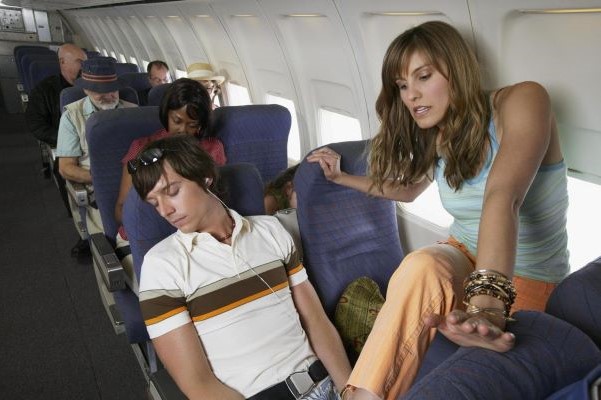
Why Some People Sleep Instantly on Planes — And Others Never Can
(And the subtle tricks frequent flyers use to flip the odds)
The Moment That Says Everything
The cabin lights dim. Engines settle into that familiar hum.
Two rows ahead, someone is already asleep — head tilted, breathing steady, completely gone within minutes of takeoff.
Get the SkypropreAir Free Travel Pack
Plan smarter, choose a better seat and enjoy a more comfortable long-haul journey. Enter your details below to receive the Travel Pack.
Meanwhile, you’re still adjusting your seat… shifting your legs… checking the time… wondering why sleep feels impossible at 35,000 feet.
Here’s the truth most travelers miss:
Sleeping on a plane isn’t luck — it’s a system.
And once you understand it, you can start to control it.
The Real Reason Some People Fall Asleep Instantly
- Their Body Clock Is Working With Them — Not Against Them
Frequent flyers who sleep easily almost always align their flights with their natural sleep cycle.
- Night flights → easier sleep (if it matches your routine)
- Day flights → your brain resists shutting down
Your body runs on an internal schedule. If your flight doesn’t match it, your brain stays alert — no matter how tired you feel.
SkypropreAir Tip:
If comfort matters, choose flights that overlap with your normal sleep window — not just the cheapest option.
- They’re “Flexible Sleepers” (And You Might Not Be)
There’s a hidden divide between travelers:
- Flexible sleepers → can sleep anywhere
- Sensitive sleepers → need control (darkness, silence, space)
Airplane cabins are designed to disrupt all of that:
- Noise from engines and passengers
- Constant light changes
- Limited space
- Random disturbances
If you’re a sensitive sleeper, your brain stays partially “on guard” — even when you’re exhausted.
The Seat You Choose Quietly Decides Everything
Not all seats are equal when it comes to sleep:
- Window seat = best for sleep
Head support + fewer interruptions - Middle seat = worst for sleep
No control, no space, constant tension - Aisle seat = broken sleep
People, carts, and movement all night
This is why experienced travelers often choose the same seat type every time.
The Hidden Mental Factor Most People Ignore
For many travelers, the issue isn’t physical — it’s psychological.
Even subtle thoughts like:
- “What if there’s turbulence?”
- “I don’t feel in control”
- “I can’t fully relax here”
…keep your nervous system slightly alert.
That low-level tension is enough to block deep sleep.
This connects directly to what we explored in
Why Airplane Cabins Make Some People Feel Anxious
Frequent Flyers Don’t “Try” to Sleep — They Trigger It
People who sleep easily on planes follow repeatable patterns:
- Same seat strategy (usually window)
- Neck pillow + eye mask + noise control
- Light meals (not heavy, bloating food)
- Minimal screen time before sleep
They’re not guessing.
They’re giving their brain consistent signals: this is sleep time.
If you struggle with this, you’ll also want to read:
- The Tiny Comfort Habit Frequent Flyers Swear By
- “How to Survive a 10-Hour Flight Without Feeling Destroyed Afterwards”
Cabin Conditions Are Working Against You (Always)
Even perfect sleepers are dealing with:
- Dry cabin air → dehydration
- Low pressure → fatigue but poor-quality sleep
- Upright posture → unnatural sleeping position
The difference?
Frequent travelers adapt faster — while occasional flyers feel every discomfort.
The Simple Shift That Changes Everything
Here’s the mindset shift:
Stop hoping to fall asleep — start setting yourself up to fall asleep.
That means:
- Choosing better flights
- Choosing better seats
- Using simple tools that signal sleep
Smart Travel Upgrade
If you’re planning a long-haul trip soon, it’s worth choosing flights that actually support your sleep pattern — not just the cheapest option.
Compare routes and timings on Aviasales to find flights that align with your natural sleep window.
And because poor sleep often leads to fatigue-related issues during travel…
Consider simple coverage with SafetyWing — especially for long-haul or multi-country trips.
Final Thought
The difference between those who sleep instantly on planes and those who don’t isn’t random.
It’s alignment:
- With your body
- With your environment
- With your habits
Fix those — even slightly — and flying stops feeling like something you endure…
and starts feeling like time you can actually use to rest.
FAQs to Add
- Why do I feel tired but still can’t sleep on a plane?
Because your body is fatigued, but your brain remains alert due to noise, posture, and lack of control. - What’s the best seat for sleeping on a plane?
Window seats are best due to head support and fewer interruptions. - Can you train yourself to sleep on planes?
Yes — by repeating the same sleep cues (seat choice, accessories, routine), your brain gradually adapts.