
Worst Aircraft for Long Flights (Ranked by Comfort 2026)
Not all airplanes feel the same on long flights.
Two routes may both take 10 hours, but one feels easy while the other feels exhausting.
The difference often comes down to the aircraft type, seat layout, and cabin pressure.
Some planes were designed for comfort.
Others were designed for efficiency.
In this guide, we rank the worst aircraft for long flights based on:
- Seat width & pitch
- Cabin pressure & humidity
- Noise level
- Typical airline layouts
- Passenger fatigue after landing
If you’re comparing flights, check aircraft type before booking.
Compare aircraft and routes on Aviasales
(soft CTA)
Get the SkypropreAir Free Travel Pack
Plan smarter, choose a better seat and enjoy a more comfortable long-haul journey. Enter your details below to receive the Travel Pack.
For long trips, travel insurance is also worth having, especially on multi-stop routes.
Compare travel cover on SafetyWing
You may also want to read:
Best aircraft for long flights ranked
Best airlines Europe → Asia
Cabin air vs pressure guide
Exit row vs bulkhead guide
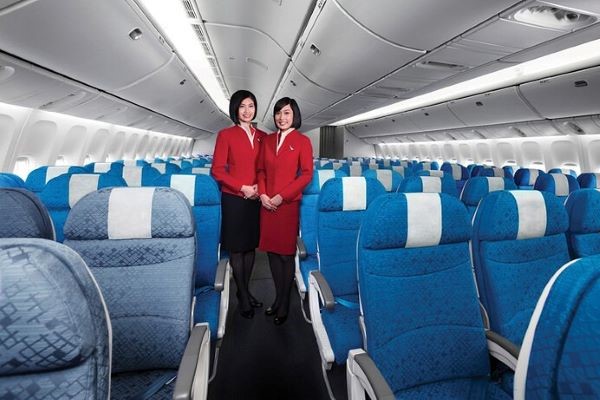
1. Boeing 777 (High-Density Layout) — Most Uncomfortable Long Flights
The Boeing 777 can be comfortable — but many airlines now use 10-abreast seating in economy.
This makes seats narrower than older widebodies.
Why it feels bad:
- Narrow seats
- Tight legroom
- Crowded cabin
- More shoulder contact
Worst on long flights:
- 9+ hours
- Overnight flights
- Full economy cabins
Good airlines can make it OK, but many don’t.
2. Airbus A321 (Long-Haul Versions) — Too Narrow for Long Flights
The A321 is a narrow-body aircraft, and even new long-range versions still feel tight on long flights.
Some airlines now use it for transatlantic and Asia routes.
Why it feels tiring:
- Narrow cabin
- Limited movement space
- Small lavatories
- More turbulence feel
Worst for:
- 7+ hour flights
- Overnight flights
- Tall passengers
You may prefer widebody aircraft instead.
Read: Best aircraft for long flights ranked
3. Boeing 737 — Worst for Long Flights
The 737 was designed for short-haul flights.
When airlines use it on longer routes, comfort drops quickly.
Why it feels uncomfortable:
- Very narrow seats
- Low ceiling
- Limited legroom
- More vibration
Worst for:
- 5+ hours
- Full flights
- Overnight travel
If you see a 737 on a long route, check alternatives.
4. Older Airbus A330 Cabins — Can Feel Tired
The A330 can be very comfortable — but older cabins feel outdated.
Some airlines have reduced seat space to increase capacity.
Why some feel bad:
- Old seats
- Weak entertainment systems
- Less cabin humidity
- Tight layouts
Good airlines still make it comfortable, but older versions can feel long.
Read also:
A330 comfort breakdown
A350 comfort deep dive
787 comfort review
5. Boeing 787 (Tight Layout Versions)
The 787 is designed for comfort, but many airlines use tight seating.
At 9-abreast, seats become narrow.
Why some flights feel uncomfortable:
- Narrow seats
- Thin cushions
- Hard armrests
- Less shoulder space
Still better than narrowbody planes, but not always comfortable.
SkypropreAir Worst Aircraft Ranking
| Rank | Aircraft | Comfort | Why |
| 1 | 777 (10-abreast) |  Worst Worst | Narrow seats |
| 2 | A321 | | Too narrow |
| 3 | 737 | | Short-haul design |
| 4 | Old A330 |  | Outdated cabins |
| 5 | Tight 787 | | Narrow seats |
The aircraft type matters more than the airline on long flights.
SkypropreAir Tip
If comfort matters, choose:
 A350 A380 787 (good layout) A330 (8-abreast)
Avoid narrow-body planes for long flights whenever possible.
FAQs
Which aircraft is the worst for long flights?
High-density 777, 737, and A321 are usually the least comfortable.
Is the 787 comfortable for long flights?
Yes, but only if the airline uses wider seating.
Should I avoid narrow-body planes on long flights?
Yes. Widebody aircraft are usually much more comfortable.