
Boeing 777-300ER Comfort Analysis: Is It Still a Good Long-Haul Aircraft in 2026?
For nearly two decades, the Boeing 777-300ER has been one of the most widely used long-haul aircraft in the world.
From London to Los Angeles, Dubai to Sydney, and Paris to Tokyo, millions of passengers cross oceans every year aboard this aircraft.
But in 2026, with newer aircraft like the Airbus A350 and Boeing 787 entering fleets, many travelers wonder:
Is the 777-300ER still comfortable for long flights?
The answer depends on several factors especially seat configuration, cabin environment, and where you sit on the aircraft.
Get the SkypropreAir Free Travel Pack
Plan smarter, choose a better seat and enjoy a more comfortable long-haul journey. Enter your details below to receive the Travel Pack.
In this SkypropreAir comfort analysis, we break down exactly how the 777-300ER performs on long-haul journeys.
Quick Answer: Is the 777-300ER Comfortable?
The Boeing 777-300ER is generally a comfortable long-haul aircraft thanks to its wide cabin and stable ride, but passenger experience varies greatly depending on the airline’s seating layout.
A 9-abreast economy cabin (3-3-3) offers noticeably better comfort than a 10-abreast configuration (3-4-3), which reduces seat width.
For travelers prioritizing comfort, choosing the right seat and airline configuration matters more than the aircraft itself.
If you’re planning a long-haul trip, comparing aircraft types can make a big difference.
You can read our full comparison in Best Aircraft for Long Flights Ranked.
Cabin Space: One of the Widest Long-Haul Aircraft
One of the defining features of the 777-300ER is its very wide fuselage.
Cabin width: 5.87 meters (19 ft 3 in)
This makes it one of the widest twin-engine aircraft ever built, allowing airlines to design spacious cabins.
Benefits passengers notice include:
• Wider aisles
• Larger overhead bins
• More spacious premium cabins
This wide fuselage is one reason the aircraft remains popular on many long transatlantic and ultra-long-haul routes, especially those featured in our guide to The Longest Flights in the World.
Economy Class Comfort
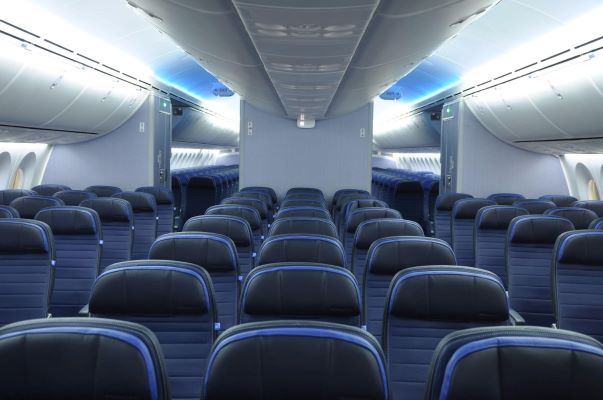
Economy comfort on the 777-300ER depends heavily on how the airline configures the cabin.
Typical layouts:
| Configuration | Seat Width | Comfort Level |
| 3-3-3 (9 seats per row) | ~18 inches | Comfortable |
| 3-4-3 (10 seats per row) | ~16.5–17 inches | Tight |
Many airlines switched to 10-abreast seating to increase capacity, which noticeably reduces shoulder space on long flights.
On flights longer than 8–10 hours, those extra inches matter.
This is why choosing the right seat matters — something we explore in detail in Best Seats by Aircraft Type.
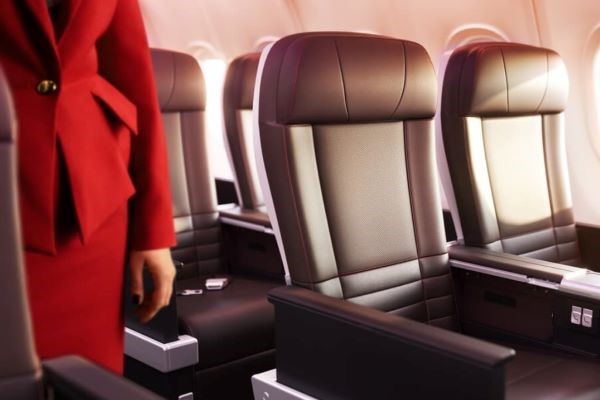
Premium Economy: Where the 777-300ER Often Shines
The 777-300ER is actually one of the best aircraft for premium economy cabins.
Because the fuselage is so wide, airlines can install large premium-economy sections with spacious seating.
Typical features include:
• Seat pitch around 38 inches
• Larger recline angles
• Leg rests and adjustable headrests
• Wider seat bases than economy
Many airlines use the 777-300ER for their premium economy products featured in our ranking of Best Premium Economy Seats Ranked 2026.
For overnight transatlantic flights, this cabin often offers the best balance between price and comfort.
Business Class: Where the Aircraft Truly Excels
The Boeing 777-300ER played a major role in the rise of modern lie-flat business class seats.
Many airlines now install:
• Reverse-herringbone seats
• Fully flat beds
• Sliding privacy doors
• Large entertainment screens
This is why the aircraft appears frequently among the airlines featured in Best Long-Haul Airlines Ranked by Comfort 2026.
For business class passengers, the aircraft still offers an excellent long-haul experience.
Cabin Air, Humidity and Pressure
This is where the aircraft shows its age compared with newer jets.
Typical cabin conditions:
• Cabin altitude: ~8,000 ft equivalent
• Humidity: 10–20%
Lower humidity can contribute to:
• Dry skin
• Dehydration
• Jet-lag fatigue
Modern aircraft like the A350 and 787 improve these conditions significantly, which we explored in our deep dive on 787 Comfort Analysis.
Still, the 777-300ER remains comfortable on most long flights if passengers stay hydrated and move regularly.
Noise and Ride Quality
The 777-300ER is powered by the enormous GE90 engines, among the most powerful jet engines ever built.
Passenger experience:
Pros
• Very stable ride
• Excellent turbulence performance
Cons
• Louder cabin than newer aircraft
• Engine noise more noticeable near the wings
Seats located ahead of the wings usually experience the quietest cabins.
Chudi’s Seat Strategy
If you want the most comfortable experience on the Boeing 777-300ER:
Best Seats
• Forward cabin economy rows
• Exit rows with extra legroom
• Premium economy window seats
Seats to Avoid
• Last rows near galleys
• Seats near lavatories
• Middle seats in 10-abreast layouts
Understanding seat strategy is one of the most effective ways to improve long-haul comfort — a topic we explore extensively in the Long-Haul Comfort Guide.
Planning a Long-Haul Trip?
If you’re comparing aircraft types before booking your next flight, it helps to check which aircraft operates your route.
Many travelers also compare prices across multiple airlines before choosing the most comfortable option.
You can quickly compare flights across hundreds of airlines using Aviasales, which makes it easier to identify routes operated by newer aircraft.
And for long international trips, many travelers choose travel medical coverage such as SafetyWing, which is designed for international and long-stay travelers.
SkypropreAir Comfort Verdict
| Category | Rating |
| Cabin Space |  ½ ½ |
| Seat Comfort | |
| Cabin Air | |
| Noise Level | |
| Long-haul Capability | ½ |
Overall Comfort Score: 7.8 / 10
The Boeing 777-300ER remains a solid long-haul aircraft, particularly when airlines configure it thoughtfully.
However, newer aircraft like the A350 and 787 offer improved cabin environments that many passengers find less fatiguing.
Final Thoughts
The Boeing 777-300ER is still one of the most important aircraft in global aviation.
While it may not have the newest cabin technology, its wide cabin, stable ride, and strong premium cabins keep it competitive on long-haul routes.
For travelers, the key takeaway is simple:
The seat layout matters more than the aircraft itself.
Choose the right configuration, and the 777-300ER can still deliver a very comfortable long-haul flight.
Frequently Asked Questions
Is the Boeing 777-300ER comfortable for long flights?
Yes. The aircraft offers a wide cabin and stable ride, but comfort depends heavily on the airline’s seat configuration.
Is the 777-300ER better than the 787?
The 777-300ER offers more cabin space, but the 787 generally provides better humidity levels, lower cabin altitude, and quieter cabins.
Which seats are best on the 777-300ER?
Seats in the forward cabin and exit rows tend to provide the most comfort, while seats near galleys or lavatories are usually the least desirable.