
Passenger Dies After Medical Emergency on Aeroflot Flight—What Really Happens When Someone Falls Critically Ill in the Air?
A holiday flight home ended in tragedy after a 41-year-old passenger became critically ill aboard an Aeroflot service from Antalya, Türkiye, to Yekaterinburg, Russia.
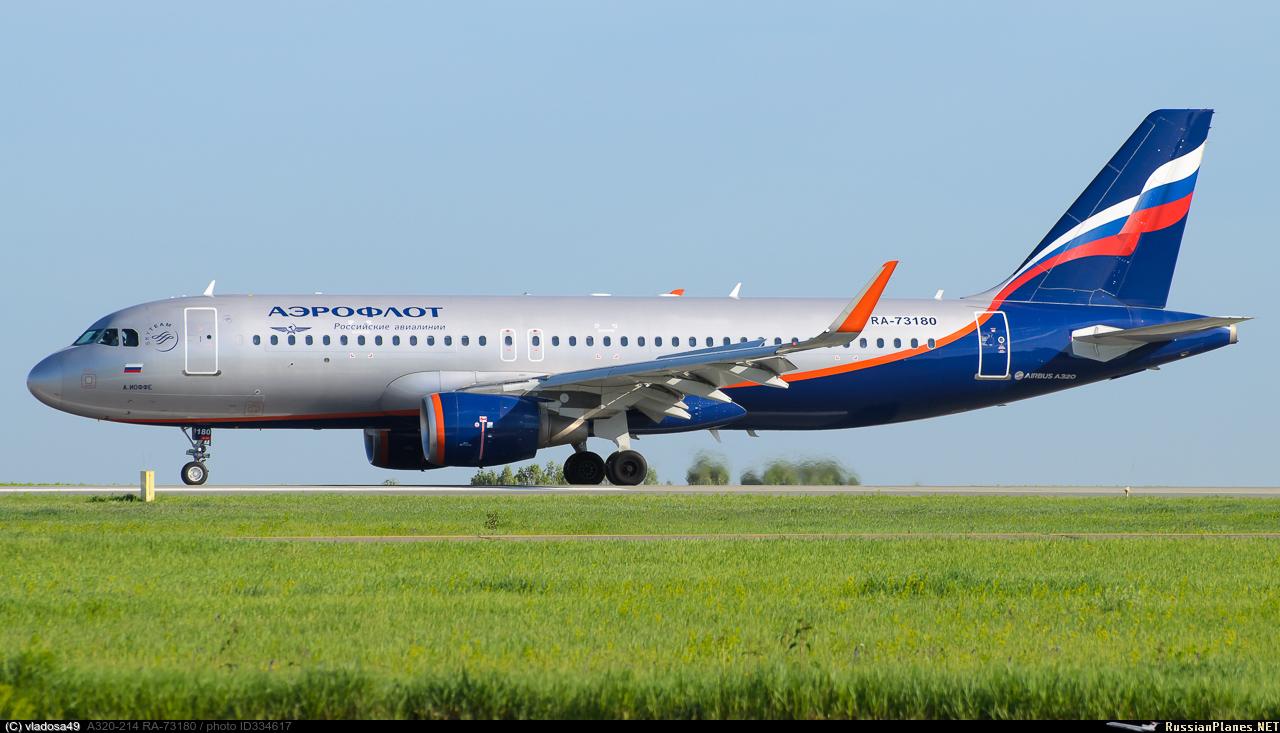
As the passenger’s condition deteriorated, the pilots of Flight SU793 diverted the Airbus A320 to Atyrau Airport in Kazakhstan, where medical personnel were waiting. Despite the emergency response, the passenger could not be saved. Authorities have described acute heart failure as the preliminary cause of death, while enquiries continue.
The incident raises a frightening but important question: what actually happens during an in-flight medical emergency thousands of feet above the ground?
Aircraft cannot simply stop, and even an emergency diversion can take considerable time. The outcome may depend on the cabin crew’s training, the medical equipment carried, whether a qualified medical professional happens to be travelling and how quickly the pilots can reach a suitable airport.
Here is what passengers should know about medical emergencies in the air and how airlines decide when a flight must divert.
Get the SkypropreAir Free Travel Pack
Plan smarter, choose a better seat and enjoy a more comfortable long-haul journey. Enter your details below to receive the Travel Pack.
What Happened on Aeroflot Flight SU793?
Aeroflot Flight SU793 was travelling from the Turkish holiday destination of Antalya to Yekaterinburg on August 25 when a passenger reportedly experienced a sudden medical emergency.
According to local reports, the 41-year-old man became unwell during the flight and his condition continued to deteriorate. The cabin crew provided initial assistance, while the pilots diverted the aircraft to Atyrau Airport in western Kazakhstan.
The airport said the appropriate services were notified before the aircraft landed and that a medical team was waiting on the apron. However, medical personnel subsequently determined that the passenger showed no signs of life.
The woman travelling with him, reported to be his wife, left the aircraft in Atyrau, while the flight later continued to Yekaterinburg. Kazakhstan’s transport police began enquiries into the circumstances surrounding the death.
Officials identified acute heart failure as the preliminary cause. However, that assessment should not be treated as a final medical conclusion while the authorities’ enquiries remain underway.
What Happens During an In-Flight Medical Emergency?
The cabin crew will normally be the first people to respond. Although flight attendants are not doctors, they receive training in first aid, cardiopulmonary resuscitation and the use of emergency equipment carried aboard the aircraft.
That emergency training is part of a much wider safety role, including the procedures behind seemingly routine cabin instructions and emergency-exit checks.
The crew will assess the passenger, alert the pilots and ask whether a doctor, nurse, paramedic or another qualified medical professional is travelling on the flight. If someone volunteers, the crew may allow that person to assist while retaining control of the emergency response.
Depending on the passenger’s condition and the equipment available, the response may include:
- Administering oxygen
- Performing CPR
- Using an automated external defibrillator
- Monitoring vital signs
- Accessing the aircraft’s emergency medical kit
- Contacting a ground-based medical advisory service
- Moving nearby passengers to create additional space
Meanwhile, the pilots remain in contact with air traffic control and the airline’s operations team. Their task is to keep the aircraft operating safely while determining whether continuing the journey or diverting offers the passenger the best realistic chance of receiving appropriate treatment.
Everything happens under intense pressure. The cabin crew may be treating the patient while reassuring relatives, managing frightened passengers and keeping the cabin secure for a possible emergency landing.
Who Decides Whether the Aircraft Should Divert?
The captain makes the final decision, but it is rarely made alone.
Information may come from the cabin crew, a medical professional assisting the passenger and a specialist medical advisory service contacted from the aircraft. The pilots must then consider both the passenger’s condition and the practical realities of landing somewhere else.
Important factors include:
- The apparent seriousness of the medical emergency
- Advice received from medical professionals
- The distance to the nearest suitable airport
- Runway length and weather conditions
- The availability of emergency medical services
- Immigration or security restrictions
- The aircraft’s remaining fuel and landing weight
- Whether the airport can safely handle that aircraft type
The nearest airport geographically is not always the most appropriate choice. A small airport might be only minutes away but lack a suitable runway, emergency services or a hospital capable of treating the patient.
A diversion also takes time. The pilots must obtain clearance, change course, prepare the aircraft for landing and coordinate with the airport. This is why even a rapid decision cannot guarantee that a critically ill passenger will reach hospital in time.
What Medical Equipment Do Airlines Carry?
The medical equipment carried aboard a commercial aircraft depends on the airline, the aircraft, the route and the regulations governing the flight.
Most major airlines carry first-aid supplies and emergency oxygen. Many commercial aircraft also carry automated external defibrillators, commonly known as AEDs, which can analyse a person’s heart rhythm and deliver an electric shock when appropriate.
Aircraft emergency medical kits may contain items such as:
- Bandages, dressings and antiseptic supplies
- Blood-pressure equipment
- Stethoscopes
- Resuscitation equipment
- Syringes and needles
- Medicines for certain allergic, cardiac or respiratory emergencies
Some items may be used only by suitably qualified medical professionals. The contents are not equivalent to the facilities found in an ambulance or hospital, and requirements are not identical in every country.
An AED can be lifesaving when someone experiences certain types of cardiac arrest, but it cannot correct every heart-related emergency. Even with prompt CPR, oxygen and defibrillation, some medical events are too severe to reverse aboard an aircraft.
Is a Doctor on Board Required to Help?
When the cabin crew asks, “Is there a doctor or medical professional on board?”, any qualified passenger may volunteer—but the legal obligation to assist varies between countries.
A doctor, nurse or paramedic who offers help will normally be asked about their qualifications. The crew may then explain the available equipment and connect the volunteer with a ground-based medical service for additional guidance.
However, an aircraft cabin is a difficult place to deliver treatment. Space is limited, lighting and noise may interfere with assessment, and the volunteer may have no access to the patient’s medical history. Diagnostic equipment that would be readily available in a hospital is also absent.
The medical volunteer can advise the crew and recommend a diversion, but does not take command of the flight. The captain retains responsibility for the aircraft and makes the final operational decision.
Passengers should also understand that the absence of an onboard doctor does not mean the crew is acting alone. Many airlines can contact medical specialists on the ground who assess the information being relayed from the cabin and advise on the appropriate response.
What Happens If the Passenger Cannot Be Saved?
Cabin crew will continue the emergency response for as long as it is considered appropriate under the applicable procedures and medical guidance. However, officially determining that someone has died can involve legal and medical rules that differ between jurisdictions.
If resuscitation is unsuccessful, the crew will treat the passenger with dignity and, when possible, move nearby travellers away from the immediate area. On a crowded flight, relocating the person may not always be practical, so the crew may have to secure and discreetly cover them in their seat.
The aircraft may divert, or it may continue to its destination if landing elsewhere would no longer change the medical outcome. That decision depends on the circumstances and the professional advice available to the pilots.
After landing, medical personnel and the relevant authorities board the aircraft. Other passengers may be asked to remain seated while the necessary procedures are completed.
For a relative or companion, the experience can be devastating. They may have to leave the flight at an unfamiliar airport while dealing with local authorities, immigration requirements, hospital or mortuary arrangements and communication with the airline or travel insurer.
How Passengers Can Prepare Before Flying
No passenger can eliminate every medical risk, but sensible preparation can make an emergency easier to manage.
Keep Essential Medication in Your Hand Luggage
Never place medication that you may need during the journey in checked baggage. Carry enough for the flight and reasonable disruption, keeping medicines in their original labelled packaging where possible.
Speak to Your Doctor Before Travelling
Anyone with a recent operation, unstable heart condition, breathing difficulty or another serious medical concern should seek professional advice before flying. Depending on the condition, the airline may request medical clearance.
Carry Important Medical Information
Keep a brief record of your medical conditions, allergies, medication and emergency contacts somewhere easily accessible. A medical identification bracelet or phone-based medical ID may also help responders.
Stay Hydrated and Move When Safe
Long periods of immobility can increase certain health risks. Drink water regularly and when the seatbelt sign is off, move around or perform gentle seated leg exercises. Passengers with particular health risks should follow advice from their own clinician.
Do Not Ignore Warning Signs
Chest discomfort, severe breathlessness, sudden weakness, confusion or loss of consciousness should never be hidden because of embarrassment or fear of delaying the flight. Inform the cabin crew immediately. Early intervention gives them more time to assess the situation and seek medical assistance.
For wider advice on preparing your body, choosing the right seat and managing a lengthy journey, read our complete Long-Haul Flight Comfort Guide.
A Diversion Is Not a Guarantee—but Every Minute Matters
The tragedy aboard Aeroflot Flight SU793 demonstrates the limits of providing emergency care inside an aircraft.
The crew diverted the flight and medical personnel were waiting at Atyrau Airport, but not every medical crisis can be reversed—even when the emergency is recognised and the aircraft lands as quickly as circumstances allow.
Aviation is designed around safety, but an aircraft remains a pressurised cabin travelling far from hospitals and specialist medical facilities. Cabin crews can administer first aid, pilots can change course and medical professionals may volunteer, yet none of these can reproduce the resources of an emergency department.
The incident is also a reminder that passengers should never dismiss serious symptoms or leave vital medication inside checked baggage. Speaking up early may give the crew more options and could make the difference between receiving help in the cabin and reaching medical treatment too late.
Most flights operate without a life-threatening medical event. Nevertheless, every passenger deserves to understand what the crew can do—and where the limits of emergency care in the sky begin.
Frequently Asked Questions
Do Commercial Aircraft Carry Defibrillators?
Many commercial passenger aircraft carry automated external defibrillators, but requirements can vary according to the country, airline, aircraft and type of operation. An AED analyses the patient’s heart rhythm and delivers a shock only when it detects a rhythm that may respond to defibrillation.
Can a Flight Make an Emergency Landing Anywhere?
No. The pilots need an airport with a suitable runway and safe weather conditions. They must also consider fuel, the aircraft’s landing weight, available emergency services and whether the airport can support that aircraft. The closest airport is therefore not necessarily the most suitable.
Who Pays When a Flight Diverts Because of a Medical Emergency?
Passengers are not normally presented with the airline’s diversion bill merely because they became ill. However, medical treatment, accommodation, onward travel and assistance for a travelling companion may involve separate costs. This is one reason appropriate travel insurance can be valuable, although coverage depends on the individual policy and any exclusions for pre-existing medical conditions.
Protect Yourself Against Unexpected Medical Costs Abroad
An airline diversion does not automatically cover a passenger’s hospital treatment, accommodation or changed travel arrangements. Before travelling internationally, consider insurance that includes emergency medical treatment and evacuation.
→ Check SafetyWing travel medical insurance options
Always read the policy wording carefully, particularly its geographical limits and exclusions for pre-existing conditions.
This is an affiliate link. SkypropreAir may earn a commission at no additional cost to you.
Final Thoughts
No passenger boards a flight expecting a medical emergency, and no crew wants to face the moment when their training may become someone’s final hope.
The death connected with Aeroflot Flight SU793 was a personal tragedy for the passenger’s wife and family—not simply another aviation disruption. It also highlights the difficult decisions crews must make when a person becomes critically ill hundreds of kilometres from suitable medical care.
Preparation cannot prevent every emergency, but carrying essential medication, disclosing serious health concerns and alerting the crew as soon as symptoms appear can give responders precious additional time.